


Introduction: Why Language Learning with Music Works
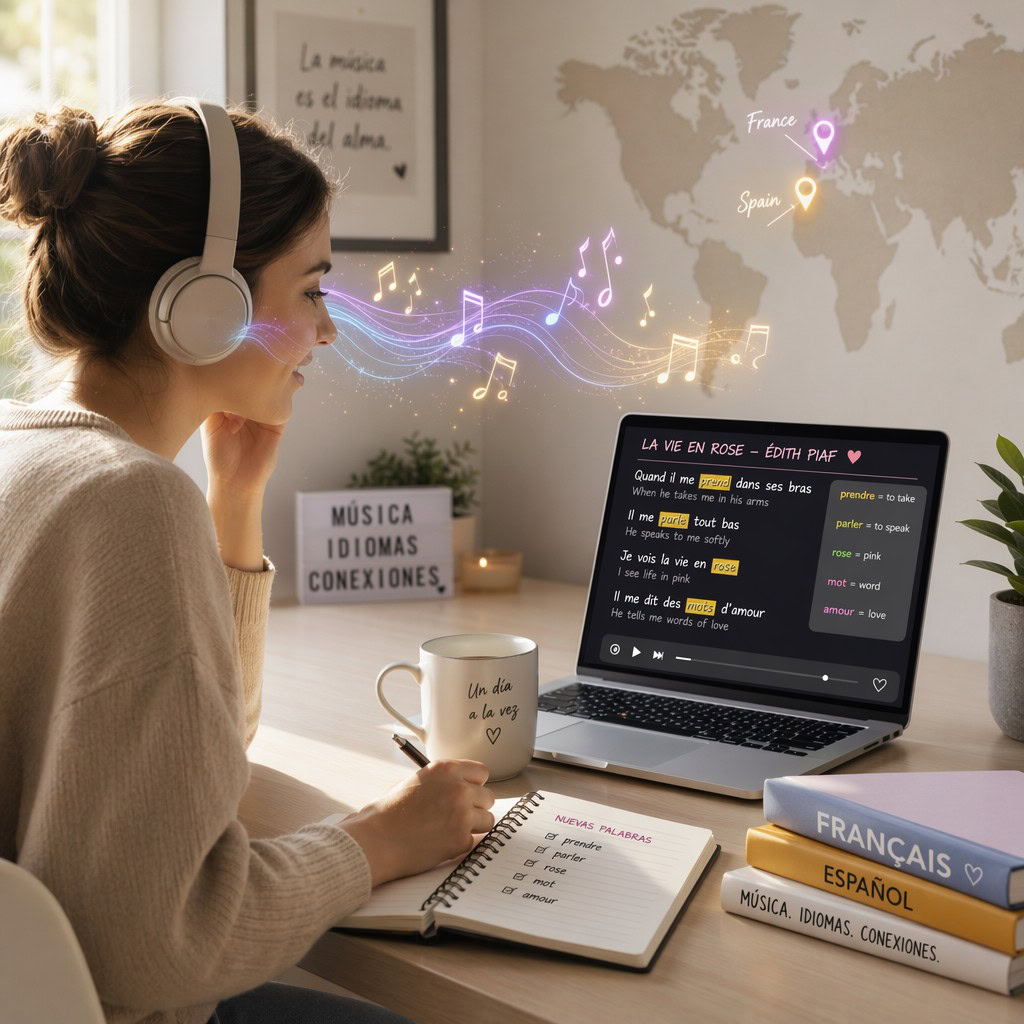
Language learning with music is far more than entertainment. When you pair melodies with vocabulary and grammar patterns, you're tapping into one of your brain's most powerful learning mechanisms. Music activates multiple neural pathways simultaneously, strengthening memory retention in ways that traditional drills simply cannot match. Neuroscience research consistently shows that rhythm and melody enhance pronunciation accuracy because they engage your motor cortex and auditory processing centers at the same time.
The mnemonic benefits are equally compelling: songs stick in your mind because they combine emotional engagement with repetitive patterns, making words and phrases feel natural rather than forced. This is why polyglots across the world have long relied on music as a core component of their language acquisition toolkit.
In this article, we'll explore practical tips, proven techniques, and curated resources that show you exactly how to integrate music into your language learning routine. You'll discover lesson ideas that work whether you're just starting out or ready to deepen your fluency in Spanish, French, or any language that captures your interest.
Benefits of Using Music to Learn a Language
Music transforms language learning by engaging your brain in ways that passive study never can. Enhanced vocabulary retention happens naturally when words are wrapped in melody and repetition. Your brain loves patterns, and songs provide the perfect framework for those patterns to stick. Unlike flashcards that feel mechanical, lyrics embedded in music create emotional anchors that make words unforgettable. Improved pronunciation and intonation develop almost automatically when you sing along or use shadowing techniques with native speakers.
Singing forces you to slow down, pay attention to mouth positioning, and match the rhythm of native speakers, all while your brain is focused on the melody rather than grammar rules. Better listening skills emerge as you learn to parse lyrics across different accents, speech speeds, and musical genres. You'll train your ear to catch nuances that matter in real conversation.
Perhaps most importantly, emotional engagement through music increases your motivation and reduces the anxiety that often blocks language learners. When you're enjoying yourself, when you're moved by a song's story or rhythm, you're no longer forcing progress. You're creating it naturally. This emotional connection transforms language learning from a task into an adventure, making consistency feel effortless rather than forced.
How to Choose the Right Music
Selecting the right music is crucial to your success, and the good news is that matching difficulty to your learner level is straightforward. Beginners benefit from simple children's songs and nursery rhymes that use repetitive vocabulary and clear pronunciation. As you progress, contemporary pop and indie music offer relatable themes and natural speech patterns. The key is choosing music where you can actually understand the lyrics without getting frustrated.
Consider genre, tempo, and lyrical clarity as your primary filters. A slow ballad with clear enunciation is ideal for building listening comprehension, while upbeat pop songs help you internalize rhythm and natural pacing. Fast rap or heavily accented regional music works better once you've built foundational skills. Bilingual songs serve as excellent bridges, allowing you to follow along with translations while training your ear to the target language. Traditional music and folk songs often feature clearer diction and cultural depth that enriches your learning beyond vocabulary alone.
Look for music with available transcriptions or lyrics so you can follow along and understand exactly what you're hearing. Modern resources make this easier than ever: curated playlists on Spotify designed for language learners, language-specific artists recommended by polyglots, and apps with built-in lyrical translation features. Streaming platforms now offer advanced filters that let you search by language, tempo, and difficulty level, putting perfectly matched music at your fingertips.
Practical Techniques and Exercises
Knowing which music to choose is only half the battle. How you engage with that music determines whether you're passively enjoying it or actively accelerating your language acquisition. Active listening transforms a casual song into a focused learning session. Set aside dedicated time to listen without distractions, paying close attention to vocabulary you recognize and phrases that confuse you. This concentrated effort trains your ear to parse meaning from context, the same skill you need for real conversations.
Lyric study takes active listening deeper. Annotate the lyrics as you read them, translate unfamiliar phrases, and look up idioms that might not translate directly. This process moves you from unconscious listening to conscious understanding, cementing new vocabulary in your long-term memory.
Singing and shadowing are where real pronunciation breakthroughs happen. When you sing along or shadow a native speaker, you're not just hearing the language, you're physically producing it. Your mouth learns the exact positioning needed for authentic intonation and rhythm.
Gap-fill and cloze exercises using song transcripts offer structure and accountability. Remove certain words from lyrics and challenge yourself to fill them in as you listen, forcing your brain to predict what comes next based on context and grammar. Transcription practice takes this further: write down exactly what you hear, word for word. This exercise trains your listening accuracy to near-native levels because you can't rely on guessing or context.
Each technique builds on the others, creating a comprehensive system that transforms music from entertainment into a powerful language acquisition tool.
Integrating Music into a Study Routine
The true power of music for language learning emerges when you build it consistently into your daily and weekly routine. Daily micro-practices fit seamlessly into the busiest schedules. Sing a chorus during your commute, hum melodies while doing chores, or play songs passively in the background while you work. These small moments accumulate into significant exposure over time, and because they feel enjoyable rather than like studying, consistency becomes natural.
Set weekly goals that give your music learning direction and measurable progress. Commit to learning one new song per week, mastering its pronunciation by shadowing the artist, and then using the new words and phrases you learned in actual sentences. This progression moves you from passive consumption to active production.
Combine music with spaced repetition systems like Anki to maximize retention of vocabulary from your favorite lyrics. Extract new words and phrases from songs you're studying, add them to your SRS deck, and review them according to scientifically proven spacing intervals. This bridges the gap between enjoyable listening and systematic vocabulary building.
Use music as a strategic bookend in your broader language learning routine. Begin grammar study sessions with an energizing song to prime your brain and boost motivation. End conversation practice with a relaxing ballad to reflect on what you learned and maintain emotional connection to the language. Music works best not in isolation but as a complementary tool that enhances your overall input-based learning system, making every study session feel more engaging and sustainable.
Tools and Resources
Modern technology puts powerful music learning tools directly in your hands. Lyric trainer apps gamify the process of matching lyrics to audio, turning listening into an interactive challenge that keeps you engaged and accountable. Karaoke apps let you sing along with professional backing tracks, providing instant feedback on your pronunciation and rhythm. Language-learning music playlists curated by polyglots and educators on platforms like Spotify remove the guesswork from song selection, organizing tracks by difficulty level and learning objective.
Websites dedicated to bilingual lyrics offer side-by-side translations so you can understand every word while maintaining the flow of the song. Slow-play features on these platforms let you reduce tempo without distorting pitch, giving your ears time to catch every syllable.
Community resources amplify your learning through connection. Join language exchange groups that organize song-based activities, where learners discuss lyrics, share pronunciation tips, and discuss cultural context behind the music. Attend local meetups or online communities centered around language learning through music, where you can find accountability partners and discover new artists recommended by fellow learners. Building relationships around shared musical interests makes consistency feel less like discipline and more like friendship.
I recommend exploring curated channel lists, community-vetted playlists, and artist recommendations organized by language (Spanish, French, Esperanto) and proficiency level (beginner, intermediate, advanced). These resources exist across YouTube, Spotify, language learning platforms, and dedicated communities. The key is choosing tools that match your learning style and preferences, then committing to them consistently rather than constantly switching platforms.
Common Pitfalls and How to Avoid Them
Many language learners discover music and assume passive listening alone will drive fluency. This is a critical mistake. While music is powerful, relying only on passive listening without active practice leaves comprehension gaps and prevents pronunciation development. You must engage deliberately with lyrics, annotate unfamiliar phrases, and practice speaking them aloud. Passive consumption feels productive because you're enjoying yourself, but true language acquisition requires active participation.
Another common pitfall is choosing songs that are too fast, too idiomatic, or culturally opaque for your current level. A song filled with slang, regional dialects, or obscure cultural references might be enjoyable to native speakers but devastating to your confidence as a learner. You'll spend more time confused than progressing. Start with clear, well-paced music at your level, then gradually challenge yourself with faster tempos and richer idioms as your skills develop.
Many learners also fall into the trap of treating music as a replacement for grammar study and speaking practice. Music excels at building listening comprehension, vocabulary, and pronunciation, but it cannot teach you sentence structure or conversational fluency on its own. Music should supplement your broader input-based learning system, not replace it. Balance is essential. Pair your daily music practice with grammar lessons, conversation exercises, and immersive content in other formats.
Track measurable progress by setting specific goals: learn 5 new phrases per song, improve pronunciation on three challenging words, or use song lyrics in actual conversations. Without measurement, music becomes mere entertainment rather than a strategic tool in your language acquisition journey.

0 comments